
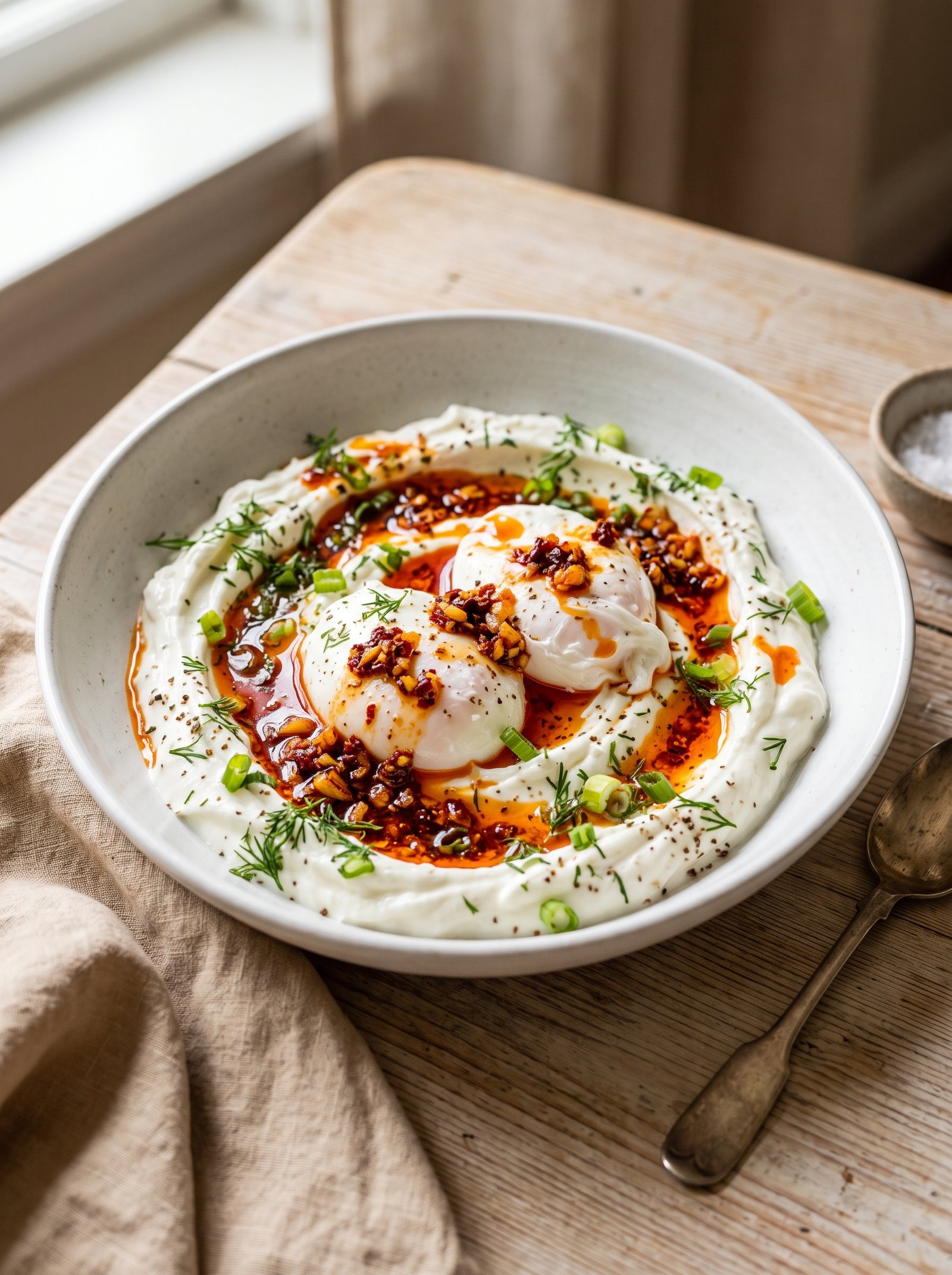
The Secret To A Mouthwatering Savory Yogurt Bowl (Easy & High-Protein)
Following a particularly demanding early morning training session last year, I found myself experiencing severe palate fatigue regarding traditional sweet breakfast options. The thought of consuming another fruit-laden smoothie or syrupy oat concoction was entirely unappealing. I required something fundamentally savory, rich in bioavailable protein, and soothing to the digestive system.
Drawing inspiration from classic Mediterranean culinary principles and my profound appreciation for vibrant Asian condiments, I decided to experiment. I combined the probiotic richness of garlic-infused Greek yogurt with the rich viscosity of perfectly poached eggs, finishing the composition with a generous drizzle of spicy, textural chili crisp. The resulting dish was a revelation. It provided immediate, sustained energy without the subsequent glycemic crash. Today, I am thrilled to share the meticulously refined methodology behind this remarkable Savory Yogurt Bowl, an elevated interpretation of traditional Turkish eggs that perfectly aligns with a health-conscious lifestyle.
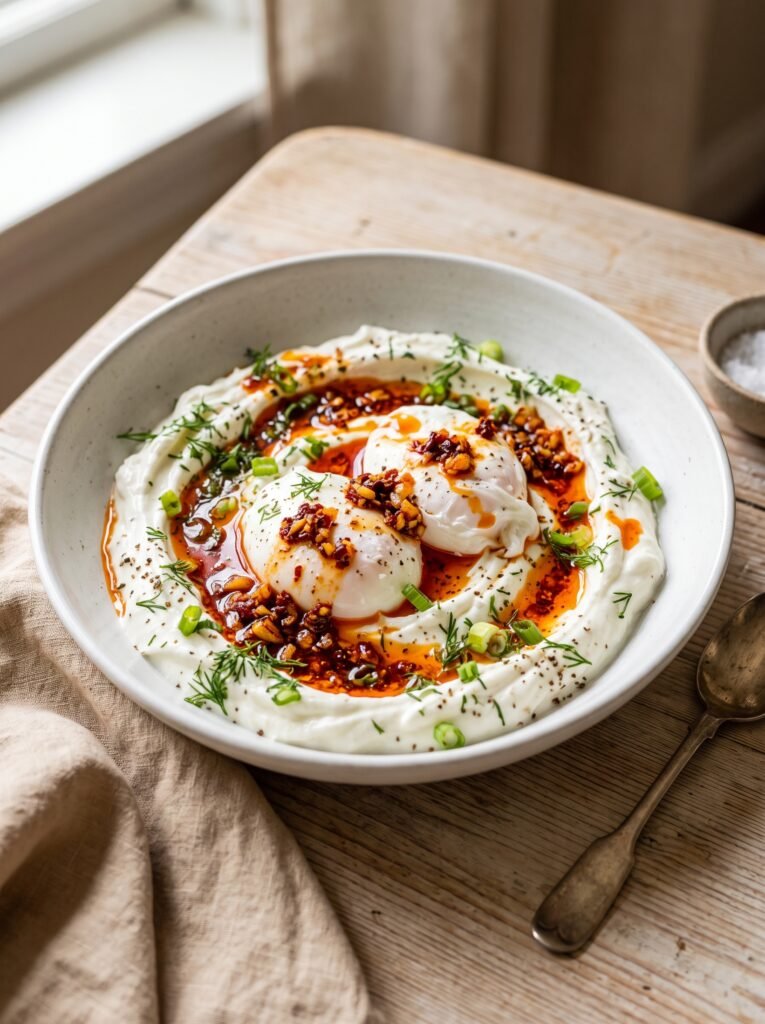
Part 1: Why This Savory Yogurt Bowl Is the Ultimate Crowd-Pleaser
The Perfect Balance of Spicy Heat, Creamy Dairy, and Rich Yolk
When evaluating modern morning meal options, one must carefully consider the delicate interplay of macronutrients and contrasting flavor profiles. The structural foundation of this Savory Yogurt Bowl relies on a harmonious triangle of proteins, healthy fats, and vibrant aromatics. The thick, garlicky dairy provides a cooling, umami-rich baseline, anchoring the luxurious, velvety texture of the soft-poached eggs. Simultaneously, the lipid content from the spicy chili crisp encapsulates the dish, preventing the palate from experiencing fatigue during consumption. I think it is amazing to observe how these distinct components undergo a sensory transformation when mixed together, culminating in a cohesive, highly satisfying structure that makes this Savory Yogurt Bowl appeal universally to diverse culinary palates.
An Essential Recipe for High-Protein Brunches and Fitness Lifestyles
Planning a substantial morning feast often introduces unnecessary stress, particularly when attempting to adhere to strict nutritional goals or fitness regimens. Implementing a reliable, high-protein Savory Yogurt Bowl drastically reduces active cooking time when you need it most, without sacrificing dietary integrity. Through my experience catering to health-conscious individuals, I have found that preparing this unified dish streamlines kitchen logistics flawlessly while delivering essential amino acids.
Rather than managing complex carbohydrate-heavy dishes and monitoring individual portions of meat, this single Savory Yogurt Bowl handles the immediate caloric and nutritional requirements for an active lifestyle. Furthermore, this method translates seamlessly into quick weekend brunches, allowing busy individuals to assemble nutrient-dense meals that maintain their energy levels throughout the day.
Why Fermented Dairy Enhances Morning Digestion and Satiety
Time and ingredient quality are essential, yet frequently overlooked, factors in advanced culinary applications focused on gut health. By utilizing fermented dairy as the primary base, you initiate a digestion-friendly process crucial for a highly nutritious Savory Yogurt Bowl. The beneficial probiotics within the cultured dairy gradually interact with the digestive system, ensuring complete nutrient absorption without cellular distress or bloating. I have noticed that this specific ingredient profile allows the fat-soluble flavor compounds from the egg yolks and chili oil to satiate the appetite evenly. Consequently, when the final Savory Yogurt Bowl is consumed, the resulting feeling is incredibly balanced, exhibiting a luxurious, long-lasting fullness rather than a rapid spike and subsequent crash in blood sugar.
Part 2: Essential Ingredients and the Science of the Base
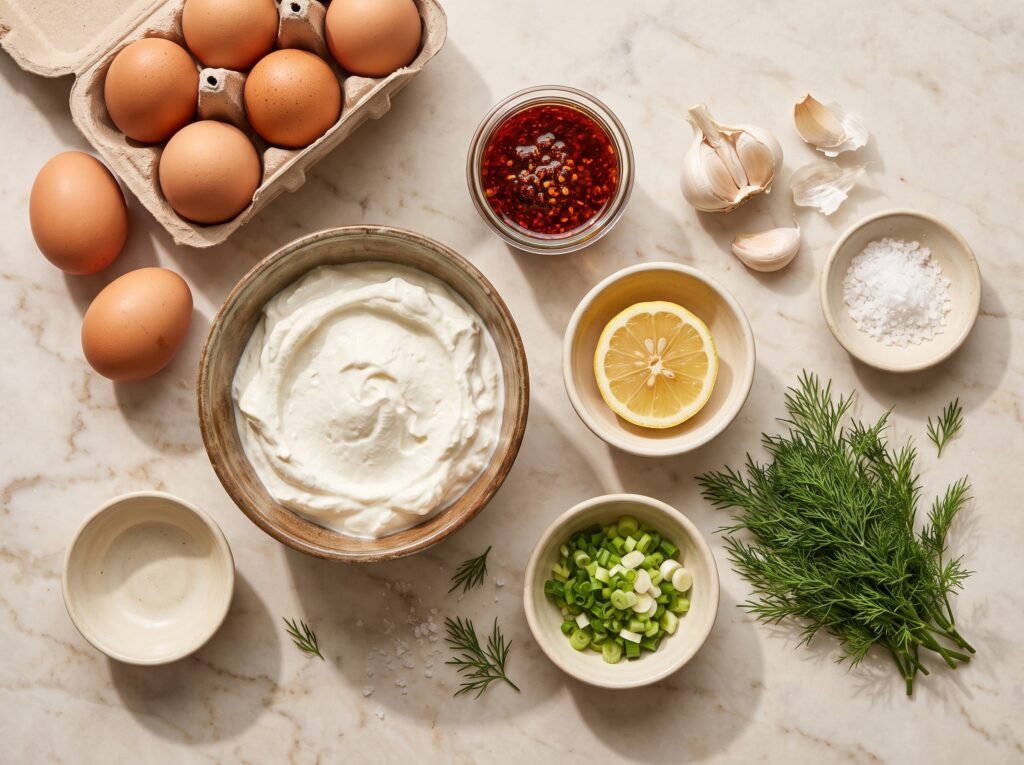
Choosing the Best Base: Full-Fat Greek Yogurt vs. Regular Yogurt
The selection of your primary dairy component dictates the foundational flavor profile and structural integrity of your entire Savory Yogurt Bowl. Traditional full-fat Greek varieties offer a quintessential, thick, and velvety experience that resonates with classic Mediterranean morning traditions. However, I absolutely advise against experimenting with low-fat or watery conventional varieties when I desire a robust complexity to support the warm ingredients. For those who traditionally favor a classic sweet parfait, transitioning to a savory application requires excellent protein density and a low moisture content. When utilizing thinner dairy options, the residual heat from the eggs will inevitably cause the base to separate into an unappealing, watery suspension.
The Golden Ratio of Garlic to Citrus: Preventing Overwhelming Pungency
Precision in formulating your base prevents the two most common flavor failures in Savory Yogurt Bowl preparation: the dreaded overwhelming raw garlic burn and an unpalatably flat, rich texture. After conducting numerous trials in my own kitchen, I advocate for a strict scientific ratio to balance these intense elements. This specific proportion guarantees that the allium notes incorporate gently, lifting the flavor without overpowering the delicate eggs. Introducing excess citrus overwhelms the dairy’s natural sweetness, while a deficiency yields a heavy, cloying result. Maintaining this scientific balance is absolutely paramount for a superior gastronomic outcome. I have summarized the optimal ratios in the table provided below for your reference.
| Ingredient Category | Optimal Measurement | Culinary Purpose |
| Fermented Dairy | 240 Grams Full-Fat Greek | Provides primary structural base and creamy mouthfeel. |
| Fresh Alliums | 1 Small Clove, Grated | Introduces essential savory aromatics without burning the palate. |
| Acidic Element | 2 Teaspoons Lemon Juice | Cuts through the heavy lipids and brightens the overall profile. |
The Best Asian Chili Crisps for Flavor and Textural Crunch
Selecting the appropriate finishing oil involves balancing sharp, fiery flavor notes with essential textural characteristics. I typically employ a premium commercial chili crisp or a homemade chili oil to achieve both sensory goals simultaneously. An authentic Asian chili crisp contributes profound depth, manageable heat, and a visually appealing ruby hue, yet it can occasionally dominate if over-applied.
To counteract this phenomenon, I integrate it strictly as a finishing garnish rather than mixing it entirely into the dairy. This strategic layering ensures a visually stunning, cohesive pull throughout the dish, delivering complex flavor without compromising the luxurious, binding texture we ultimately desire in this Savory Yogurt Bowl.
Simple Pantry Seasonings That Elevate the Dish: Dill and Flaky Salt
Even the highest quality dairy and expertly poached eggs require intelligent seasoning to achieve their full culinary potential. I firmly believe that the integration of fresh botanical elements is non-negotiable; delicate herbs act as a natural palate cleanser and sharpen the richness of your Savory Yogurt Bowl without imparting a distinctly pungent flavor.
Furthermore, introducing a measured inclusion of flaky sea salt lends a subtle, crunchy complexity that complements the soft textures beautifully. Finally, completing the assembly with finely chopped fresh dill or scallions introduces a necessary vibrant brightness, cutting through the heavy lipids and refreshing the palate with each subsequent, delicious bite.
Part 3: Step-by-Step Guide to Assembling Your Savory Yogurt Bowl
Whisking the Garlic and Lemon for a Silky Smooth Foundation
The initial preparation of your dairy base is a decisive step in preventing a grainy, visually unappealing Savory Yogurt Bowl. I begin by combining the room-temperature dairy, grated garlic, and acidic elements in a shallow mixing bowl, allowing the ingredients to undergo an intense amalgamation process. It is imperative to whisk the mixture into a uniform consistency, ensuring even flavor distribution throughout the entire volume. Once thoroughly blended, I meticulously spread the mixture across the bottom of a wide serving vessel. This crucial foundational step prevents the flavors from remaining isolated during consumption, guaranteeing a clean, appetizing presentation and superior texture from the very first spoonful.
Creating the Perfect Water Vortex for Gentle Egg Poaching
Utilizing rapidly boiling water is a fundamental error in delicate egg construction. The aggressive kinetic energy inherently present in a rolling boil fundamentally destroys the fragile structure of the raw egg whites. Therefore, I strongly advise bringing your water to a very gentle simmer and adding a minor volume of white vinegar to facilitate rapid coagulation. Using a wooden spoon, I create a gentle, continuous vortex in the center of the heated water. This controlled circular motion transforms the environment into a highly efficient shaping tool, wrapping the delicate whites tightly around the yolk and preparing them to cook without structural collapse or unsightly, stringy separation.
Draining the Poached Eggs for Zero Excess Moisture
Creating a flawless presentation requires rigorous moisture management immediately following the thermal application phase. When the eggs have achieved the ideal soft-poached consistency, I utilize a specialized slotted spoon to extract them from the simmering liquid carefully. Using a dry paper towel, I gently dab the bottom of the spoon to absorb any lingering cooking water before transferring the egg. This rigorous moisture extraction is not merely aesthetic; it prevents microscopic pools of water from diluting the seasoned dairy base, directly contributing to the signature thick, luxurious texture we ultimately seek when preparing this Savory Yogurt Bowl.
Layering Technique: How to Distribute Heat and Creaminess Evenly
Proper stratification of ingredients ensures consistent flavor and texture in every individual Savory Yogurt Bowl served to your guests. I initiate the final assembly by ensuring the foundational layer of garlicky dairy is spread smoothly and evenly across the presentation vessel. Subsequently, I gently nestle the perfectly drained poached eggs directly into the center of the dairy, allowing them to rest securely. Finally, I slowly drizzle the intensely flavored chili crisp over the entire assembly, gently guiding the oil so it cascades down the sides of the eggs. This technique guarantees total coverage and visual impact, ensuring that every bite contains an exact ratio of heat, fat, and protein..
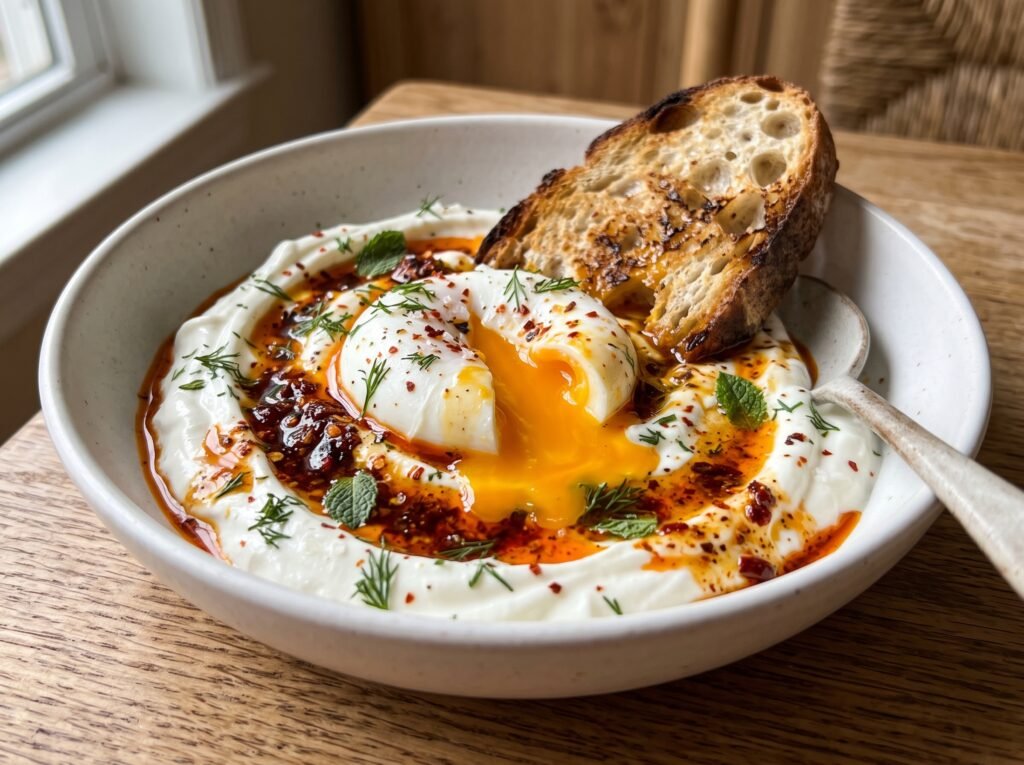
Part 4: Make-Ahead & Meal Prep Instructions for Stress-Free Mornings
How to Prep the Garlic Yogurt Base the Night Before
Implementing a deferred preparation strategy is arguably the most intelligent decision a busy individual can make when seeking a nutritious Savory Yogurt Bowl morning meal. By executing the aforementioned dairy mixing techniques the preceding evening, you effectively shift the labor-intensive portion of the preparation to a more manageable timeframe. Once I have whisked the aromatics into the dairy, I tightly secure the storage vessel with a layer of impermeable plastic wrap to prevent atmospheric contamination and moisture loss. This prepared base is then promptly relocated to the refrigerator, where the vital, slow-paced processes of flavor amalgamation can commence undisturbed while you peacefully rest, resulting in a profoundly more flavorful base the next morning.
Substituting Jammy Boiled Eggs for Rapid Assembly
Transitioning this elegant brunch dish into a rapid, weekday-friendly format demands careful procedural modifications to prevent unnecessary delays. Subjecting oneself to the delicate process of poaching eggs on a busy Tuesday morning can induce unnecessary stress and potential culinary failure. Therefore, I meticulously boil several eggs to a perfect jammy consistency over the weekend, storing them unpeeled in the cold environment of the refrigerator. Furthermore, I recognize that utilizing these pre-cooked eggs drastically reduces the active assembly time to less than two minutes, routinely satisfying the requirements for an immediate, high-protein meal without sacrificing the fundamental nutritional integrity or the exquisite flavor profile of the original Savory Yogurt Bowl.
Part 5: Delicious Recipe Variations & Dietary Adaptations
Adding Quinoa or Farro for a Hearty Grain-Based Foundation
Enhancing the nutritional density and complex carbohydrate profile of this Savory Yogurt Bowl is easily accomplished through the strategic integration of ancient grains. I frequently incorporate a warm layer of cooked quinoa or chewy farro directly beneath the dairy matrix. However, it is absolutely critical to aggressively season these grains prior to inclusion. Cooked grains possess a high capacity for moisture absorption; failing to dress them lightly with olive oil and lemon will inevitably result in a compromised, dry textural experience within the final dish. Layering the grains properly not only concentrates their distinct earthy flavors but also fundamentally protects the delicate scientific balance of your carefully measured macronutrient ratio.
Veggie-Packed Version: Adding Sautéed Spinach and Blistered Tomatoes
Substituting traditional accompaniments with nutrient-dense botanicals introduces a delightful textural divergence that appeals to many health-conscious diners. By utilizing deeply sautéed spinach or blistered cherry tomatoes alongside the poached eggs, the Savory Yogurt Bowl transitions into a highly robust, vegetable-forward format. Much like managing the moisture in the eggs, preparing these vegetables demands a slightly more aggressive thermal application to evaporate their inherent cellular water content. This specific adaptation provides a wonderfully vibrant visual presentation while maintaining a soft, yielding interior texture, proving especially popular among those who require additional fiber and micronutrients in their daily dietary regimens.
Dairy-Free Modifications: Plant-Based Alternatives That Hold Up
Creating a dairy-free Savory Yogurt Bowl requires a nuanced understanding of alternative protein structures and fat ratios. Many commercially available plant-based yogurts lack the necessary lipid network to withstand the introduction of warm ingredients, rapidly disintegrating into an unappealing, watery liquid. In my practice, I strictly seek out artisanal cashew or heavy coconut cream-based alternatives formulated with robust natural thickeners, which successfully emulate the structural integrity of traditional cow’s milk.
- Thick Cashew Yogurt: Offers excellent rigidity and a neutral flavor profile.
- Unsweetened Coconut Greek-Style: Provides a dense crumb, though it introduces tropical notes.
- Almond-Based Skyr: Entirely circumvents the dairy issue while maintaining high protein.
When executing these modifications, I remain exceptionally vigilant to ensure all supplementary ingredients compliment the specific flavor profile of the chosen alternative base.
Part 6: Pro-Chef Tips for a Flawless Poached Egg Presentation
How to Prevent Wispy Egg Whites Using a Fine Mesh Strainer
Achieving a flawlessly shaped poached egg for your Savory Yogurt Bowl requires meticulous attention to both ingredient preparation and physical manipulation. A ragged, wispy exterior is universally caused by the presence of thin, degraded albumen surrounding the firmer inner white of the raw egg. I rigorously ensure that this watery liquid is completely extracted before the thermal application begins. By cracking the raw egg directly into a fine mesh culinary strainer, the degraded albumen drains away naturally, leaving only the tight, structural proteins. You must implicitly trust this extra step; the remaining molecular structure will coagulate instantly in the simmering water, requiring absolutely no further shaping to achieve a perfect, tear-drop presentation.
Temperature Management: Why Room Temperature Dairy Is Essential
Balancing a perfectly cooked, warm protein with an aesthetically pleasing, cool foundation presents a frequent challenge in layered culinary compositions like a Savory Yogurt Bowl. Often, utilizing dairy directly from a profoundly cold refrigerator environment will rapidly extract the thermal energy from the poached eggs before consumption can begin. To mitigate this unpleasant temperature discrepancy, I mandate a resting period for the dairy. Once the base is mixed, I allow the vessel to sit at ambient room temperature for approximately fifteen minutes. This strategic temperature adaptation protects the delicate eggs from chilling prematurely while ensuring the dense internal matrix of the dairy releases its complex aromatic compounds fully across the palate.
Part 7: Storage, Freezing, and Reheating Instructions
How to Store Leftover Yogurt and Eggs Safely in the Refrigerator
Proper management of culinary surplus ensures the extended viability of your initial labor investment and prevents foodborne illness. Once the remaining portions of the mixed dairy have been isolated from any cooked egg products, I transfer the mixture into hermetically sealed glass containers. Stored in the deepest, coldest sector of the refrigerator, this highly acidic leftover base maintains optimal safety and sensory quality for your future Savory Yogurt Bowl for three to four days. I strictly advise against leaving any cooked eggs stored within the dairy itself for extended durations, as the high protein and moisture content creates an ideal environment for rapid textural degradation and potential microbial development.
Why Freezing This Dish Causes Irreversible Textural Separation
Preserving this specific Savory Yogurt Bowl via freezing requires an understanding of cellular expansion and the delicate emulsion of dairy proteins. While some incorrectly advocate freezing dairy-based meals, I find this universally results in severe structural degradation upon thawing. Much like attempting to freeze a delicate custard, the ice crystals rupture the emulsified fat and water matrix within the yogurt. Upon thawing, these ruptured cells release their trapped liquid, invariably resulting in a compromised, weeping structure that is texturally inferior and completely unpalatable. I heavily endorse consuming this Savory Yogurt Bowl fresh, as the required culinary components do not freeze well.
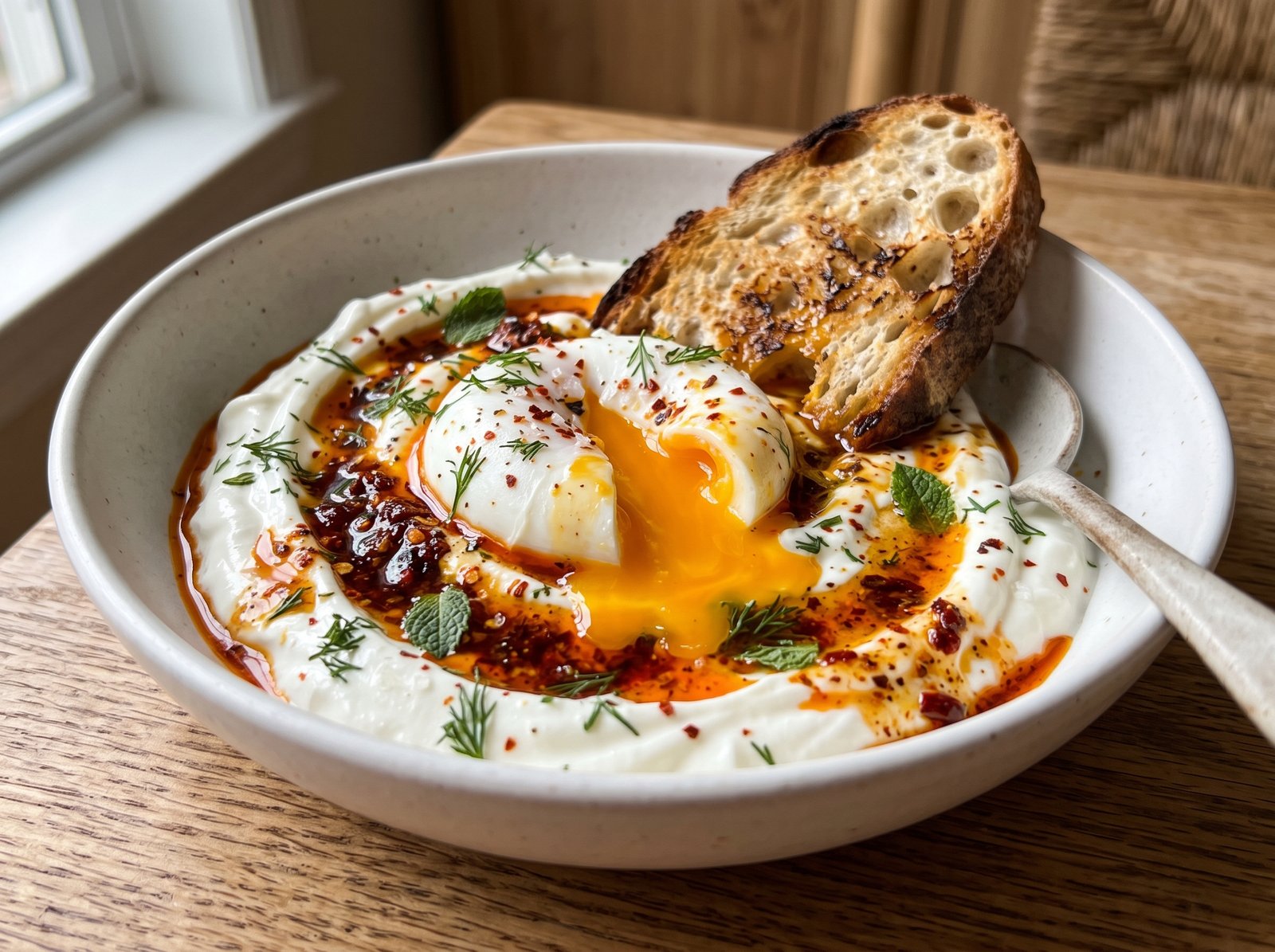
Chili Crisp Turkish Eggs (Savory Yogurt Bowl)
Ingredients
Method
- Prep the yogurt base: In a small bowl, whisk together the room-temperature Greek yogurt, grated garlic, lemon juice, and ¼ teaspoon of salt until completely smooth. Divide the mixture evenly between two shallow serving bowls, spreading it out into a thick bed with intentional dips and swoops.
- Prepare the poaching water: Fill a deep skillet or saucepan with 3 inches of water and bring it to a gentle simmer (small bubbles, not a rolling boil). Stir in the white vinegar.
- Prep the eggs: Crack each egg into a small fine-mesh sieve to drain the watery whites, then transfer to a small ramekin.
- Poach the eggs: Swirl the simmering water with a spoon to create a gentle vortex and carefully slide in the eggs one at a time. Cook for 3 to 4 minutes for a beautifully runny yolk.
- Drain the eggs: Use a slotted spoon to carefully remove the poached eggs. Lightly dab the bottom of the spoon with a paper towel for 5 seconds to remove excess water.
- Assemble: Nestle two poached eggs gently on top of the garlic yogurt in each bowl.
- Finish: Drizzle one tablespoon of chili crisp generously over the eggs and yogurt in each bowl, allowing it to pool in the divots. Garnish with fresh dill or scallions and a pinch of flaky sea salt. Serve immediately with warm sourdough or pita bread.
Notes
- Always bring the yogurt to room temperature; cold yogurt will ruin the temperature of the warm eggs.
- Store the garlic yogurt and poached eggs in completely separate airtight containers if meal prepping.
-
Use full-fat Greek yogurt to ensure the base remains thick and does not separate under the heat of the oil.To safely reheat pre-poached refrigerated eggs, drop them into a pot of gently simmering water for exactly 60 seconds to warm them through without overcooking the yolks.
F&Q
Do you bake the Sausage, Egg & Cheese Casserole covered or uncovered?
The decision to utilize a cover during the thermal application phase is highly dependent on your specific oven environment and visual preferences. My professional protocol dictates initiating the baking process completely uncovered. This exposure facilitates the necessary evaporation of surface moisture, promoting the development of a structurally sound, deeply caramelized, and visually appealing upper crust. However, I remain highly vigilant. The moment the surface achieves optimal golden-brown aesthetics, I promptly implement the foil tent method. This strategic adaptation protects the delicate dairy proteins from scorching while ensuring the dense internal matrix achieves absolute thermal safety and stability.
Can you freeze a Sausage, Egg & Cheese Breakfast Casserole before or after baking?
When managing advanced meal preparation, the timing of your freezing protocol profoundly impacts the final texture of your Sausage, Egg & Cheese Breakfast Casserole. As previously analyzed, I staunchly recommend executing the freezing process only after the dish has been fully baked and subsequently cooled to ambient room temperature. Freezing an unbaked, fully hydrated matrix promotes the formation of massive ice crystals within the bread cells. Upon thawing, these ruptured cells release their trapped liquid, invariably resulting in a compromised, weeping structure that is texturally inferior. Fully cooking the proteins stabilizes the matrix, allowing remarkable integrity post-thaw.
How do you keep eggs fluffy instead of dense in an egg bake?
Maintaining a light, aerated texture within a dense structural matrix like a Sausage, Egg & Cheese Breakfast Casserole requires mechanical intervention and precise thermal control. Firstly, vigorous and sustained whisking of the liquid base is absolutely non-negotiable; this mechanical action denatures the proteins and physically traps microscopic air bubbles that will later expand in the oven. Secondly, you must strictly adhere to the established ratio of liquid dairy to eggs to prevent severe protein tightening. Finally, and perhaps most importantly, avoid aggressive overbaking. Removing the vessel the very moment the geometric center registers exactly 160 degrees Fahrenheit prevents the proteins from expelling moisture and becoming tough.
Disclaimer:
The culinary and nutritional information provided in this article is strictly for educational and informational purposes only. It does not constitute professional medical advice, diagnosis, or treatment. While I strive to provide accurate macronutrient insights and dietary substitution recommendations, these should not replace consultations with qualified healthcare professionals. Always consult your physician before making significant changes to your diet, especially if you manage specific metabolic conditions. Any claims regarding nutritional benefits are substantiated by general culinary science but are not intended as clinical guidelines.